
Discover the historical background of the lament traditions.
No previous experience is necessary.
In this workshop, you’ll be introduced to the cultural context and sacred nature of the lament traditions, as well as issues with modern revival and practice. Matti and Jurgita will share the technical aspects of melodies, vocal techniques including crying, and the poetic aspect and imagery of the lament texts. They'll demonstrate laments used in various social settings by singing examples from archival sources. They’ll guide workshop participants to write their own laments and present them if they choose to do so.
About the Facilitators
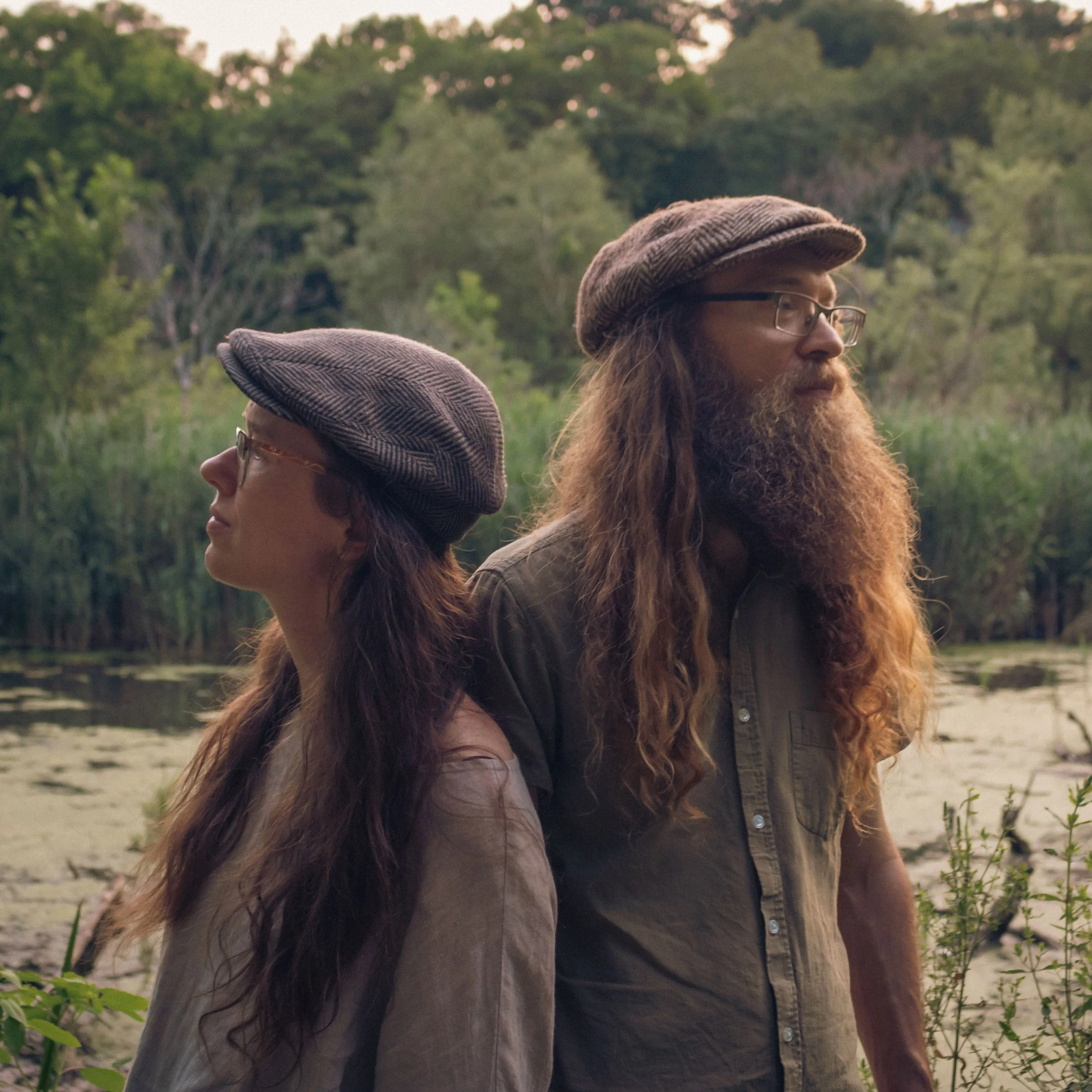
In 2017, Matti Palonen learned of the Lament tradition during a Karelian singing course with Emmi Kuittinen in Finland, and in 2022, Jurgita Žvinklytė participated in a lament workshop with Emmi. In 2023 Matti and Jurgita attended the International Conference of the Lament Tradition in Helsinki where they met additional researchers including Aušra Žičkienė, and presented lament repertoire later that year at the Tranzac in Toronto.
In 2024 they toured in Lithuania, where Aušra gave them additional material about the Lithuanian and Ukrainian lament traditions. They are both avidly researching and exploring the lament tradition, and in light of the current war in Ukraine, are collaborating with their Ukrainian colleagues in Kosa to go deeper into this traditional healing modality.
If you are a University of Toronto student, you can sign up for free! Follow this link.
This workshop is part of the Talking Walls series connected with the Kosa exhibition at Hart House, running Nov-Feb. For the full program listing see the Hart House website.
Hart House, a centre for experiential learning at the University of Toronto, has served as a gathering place since 1919. Located in a historic neo-Gothic building, it offers space for arts, dialogue, wellness, and community engagement, welcoming students and the broader public year-round.